Secret Santa Gift Ideas: Exchange Rules, Budgets and Small Gifts
A good Secret Santa starts with clear expectations, not a perfect present. Here’s how to organise the exchange and choose a small gift that feels thoughtful, even when you barely know the recipient.
The best Secret Santa gift ideas start with one genuine clue about the recipient: a favourite animal, a daily habit or something they enjoy. Agree a budget before drawing names, collect a few wish hints and set a clear exchange deadline. Then choose something easy to enjoy, without awkward jokes or personal assumptions.
Ordering for Christmas? See our Christmas 2026 order dates for each country.
For the organiser: settle the rules before drawing names
Secret Santa works best when nobody has to guess what is expected. Each participant draws one other person’s name and prepares a gift for them, keeping their identity secret until the agreed reveal—or afterwards, if that is your group’s preference.
Send the rules before anyone joins. Participation should be optional, with a private way to decline and no explanation required.
- Confirm who is taking part. Draw only from the final list, rather than including someone who has not agreed.
- Agree the budget in advance. Choose a limit everyone feels comfortable with. Say whether it is a maximum rather than a target, and whether wrapping and delivery count towards it. Nobody should feel obliged to add extras.
- Collect useful hints. Ask for a few interests, one practical preference and anything to avoid. ‘Gardening, green stationery, no scented products’ is more helpful than ‘anything is fine’.
- Draw names privately. Use folded slips or a private digital draw. Check that nobody has drawn themselves; if they have, redraw before shopping begins.
- Set the deadlines. Give a date for joining, a date for sharing hints and a clear exchange date. For posted gifts, set a separate send-by deadline.
- Decide how anonymity ends. Explain whether givers reveal themselves during the exchange, add their names inside the parcels or remain secret.
Keep one organiser available for private questions. If someone drops out, they should tell that person promptly rather than quietly leaving a recipient without a gift. Avoid adding gift-swapping or stealing rules unless everyone agreed to that different kind of exchange beforehand.
For office teams and families: make room for different expectations
At work, keep it voluntary and easy to join
Use the same written rules for everyone, including colleagues working remotely. Share wish hints through the organiser so nobody has to investigate a colleague’s private life. Agree where parcels should go and who will keep them until the exchange.
Keep the opening relaxed. Nobody needs to explain their choice, perform a joke or pose for a photograph. A simple thank-you is enough; guessing the giver can be optional.
With family or friends, agree the boundaries too
Knowing someone well does not automatically make teasing welcome. Decide whether the exchange is for adults only, whether partners can draw each other and whether gifts are opened together or sent separately.
Choose presents for the recipient’s actual season and routine, rather than assuming Christmas means cold weather. A notebook or animal charm can suit a December picnic as easily as an indoor gathering. Seasonal decorations make more sense when you know the person enjoys displaying them.
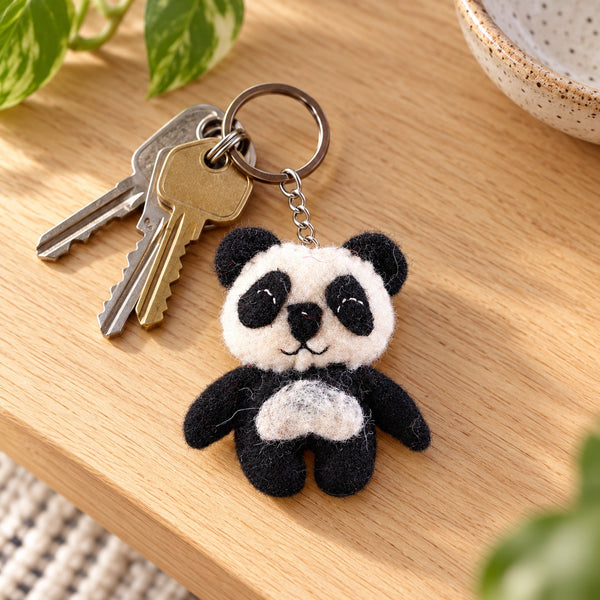
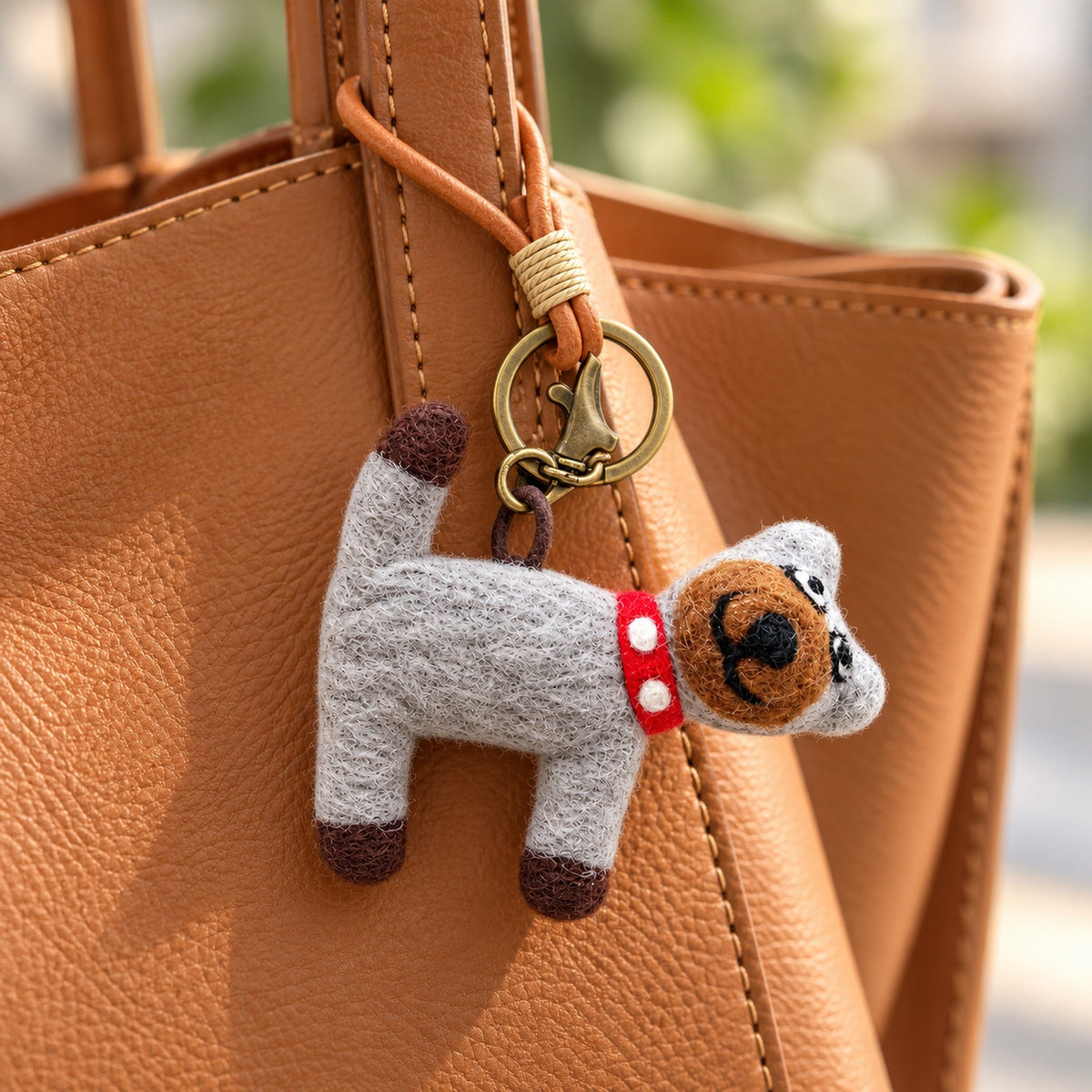
 Archie the Pup
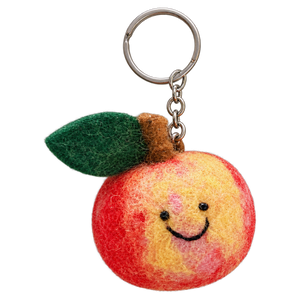
 Avery Avocado
 Berry Donut
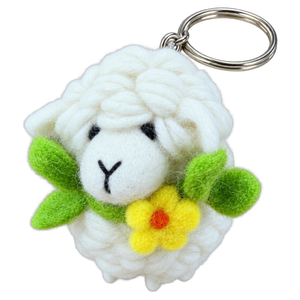
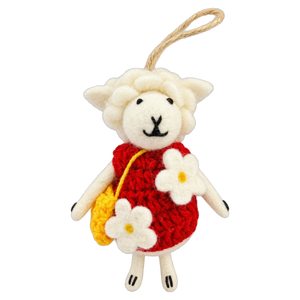
 Allotment Sheep
When you barely know them: Secret Santa ideas from small clues
Look for preferences they have willingly shared: the dog in their desk photograph, the paperback beside their lunch, their enthusiasm for a vegetable patch. Use the clue to choose a category, not to make a bigger assumption about their personality.
A useful test is: Can I explain this choice kindly in one sentence? ‘You mentioned enjoying crosswords’ is a sound reason. ‘You always look stressed’ turns a present into an unwanted judgement.
These ten ideas cover different levels of familiarity. Choose one that fits the evidence rather than assembling a bundle of unrelated extras.
- A pocket notebook. Good for someone who writes lists or sketches during breaks. Choose plain or lightly ruled pages unless you know their preference; avoid a dated planner if you are unsure how they organise their time.
- A bookmark. A useful choice for a known reader. Pick a simple design related to an interest, and avoid buying a novel unless you know their tastes and what they already own.
- A felt friend for keys or a bag. An animal or food character can reflect a shared conversation. Consider Archie the Pup for a dog enthusiast, Avery Avocado for someone who enjoys playful fruit designs, or Berry Donut for a fan of cheerful treats.
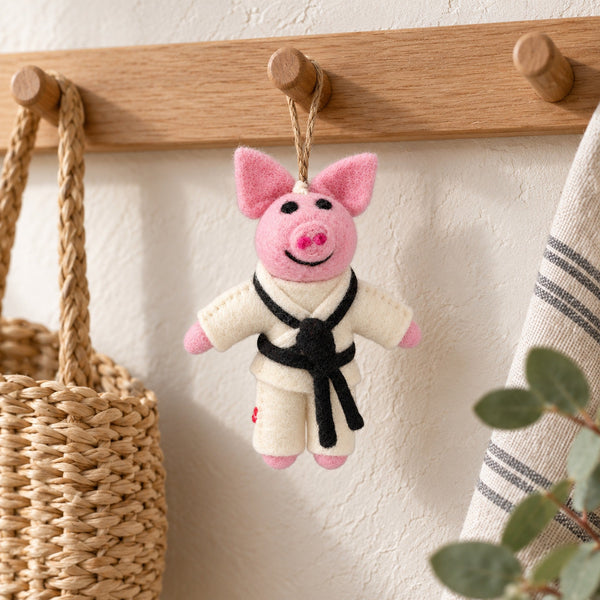
- A small hanging decoration. This suits someone who already enjoys decorative details at home. Allotment Sheep, carrying carrots, could acknowledge an interest in growing vegetables without choosing specialist gardening equipment for them.
- A packet of seeds. Choose this only for someone who gardens and has suitable growing space. Check the sowing season and growing conditions. For a posted exchange, check any seed-sending restrictions first.
- A sealed tea or coffee selection. Best when you know their usual drink. Keep ingredient information intact, and do not assume that someone who enjoys a café visit has coffee-making equipment at home.
- A small packaged edible treat. Choose a favourite they have mentioned, with clear ingredients and allergen information. If dietary needs are unknown, a non-food gift removes that uncertainty.
- A compact puzzle booklet. Crosswords, word searches or number puzzles suit someone who already enjoys them. Match the type rather than choosing something labelled as a test of intelligence.
- A set of useful page flags. These can suit a student, planner enthusiast or colleague who annotates documents. Choose readable colours and a straightforward design rather than motivational slogans they may dislike.
- A coaster. A practical option for a desk or reading corner. A restrained pattern is easier to place than a large slogan, especially when you do not know the recipient’s home style.
For the felt choices, use the size and attachment guide before choosing, then check the options on the individual product page. Each piece is felt and shaped by hand, so each one is a little different.
Woolly Hollow’s little gifts collection is another place to browse once you have a particular interest in mind. Felt friends are decorations and accessories for grown-ups and older kids, not toys; they contain small parts.
When the joke might misfire: choose comfort over surprise
A Secret Santa gift is opened in a social setting, so consider how it will feel to receive it in front of others. Avoid presents about someone’s body, age, relationships, hygiene, drinking habits or job performance. An inside joke is only suitable if the recipient enjoys it too.
Fragrance, skincare, clothing and alcohol need more knowledge than they may appear to. They can involve sensitivities, sizing, personal boundaries or preferences that a colleague has no reason to share.
Also avoid anything that creates an obligation: a living plant for a frequent traveller, equipment that needs additional purchases, or a large decoration for someone whose space you do not know. When evidence is thin, a modest everyday item is usually kinder than a bold guess.
For the final handover: wrap simply and keep the tag kind
Choose a small box or paper bag that protects the gift without making it difficult to open. Reused paper works well if it is clean and sturdy. Put the recipient’s name clearly on the outside, especially when several parcels will be gathered together.
Keep the tag brief. You could write ‘A little companion for your everyday adventures’, ‘For your next reading break’, or simply ‘Chosen with your love of gardening in mind’. These are suggested messages, not clues you must include.
If anonymity matters, avoid mentioning a conversation only you could have had. Follow the agreed reveal rule rather than signing your name automatically.
You can send a Woolly Hollow order straight to the recipient by entering their name and address at checkout. There is no gift-wrapping service, so do not plan around the shop wrapping it for the exchange.
Before you commit: a quick gift and timing checklist
Work backwards from the exchange, not just from Christmas. Woolly Hollow orders are packed in 2–5 business days, and tracked delivery usually takes about 1–3 weeks after that. These are usual timings, not a guaranteed arrival day. For seasonal planning, check the Christmas ordering guidance.
- Have I followed the agreed budget and exchange rules?
- Does the gift connect to a real preference?
- Have I checked ingredients, suitability or product options?
- Can it arrive before the handover?
- Is the recipient’s name clear, with my identity hidden if required?
- Can they enjoy it without an explanation or extra commitment?
Once those answers are clear, you can stop searching. A small gift does not need to capture everything about someone; one thoughtful connection is enough.
Questions and answers
How does Secret Santa work?
Each participant privately draws another participant’s name and chooses a gift within an agreed budget. Gifts are exchanged by a set deadline, and the group decides whether the givers reveal themselves.
What is a good Secret Santa gift?
A good gift reflects a known interest without requiring intimate knowledge of the recipient. A notebook, bookmark, puzzle booklet or small animal charm can work when it matches something they have shared.
How do you organise a Secret Santa at work?
Make participation optional, agree the budget and deadlines, collect brief wish hints and draw names privately. Include remote colleagues in the delivery plan and keep the opening free from compulsory jokes or performances.
What should you not give for Secret Santa?
Avoid embarrassing jokes, intimate items and gifts that comment on someone’s appearance or personal circumstances. Food, fragrance, alcohol and clothing are best avoided unless you know the relevant preferences or requirements.