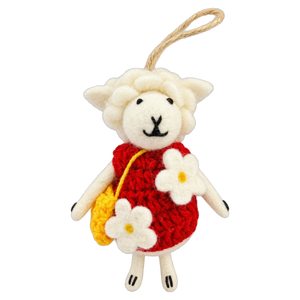
Small Get Well Gifts When Food and Flowers Aren’t Right
When food and flowers aren’t suitable, a familiar little character and a thoughtful note can be a gentle alternative. Here’s how to choose something welcome, without adding pressure.
Small get well gifts can be as simple as a familiar animal character and a short, kind note. When food and flowers aren’t the right choice, choose something that reflects the recipient’s interests, needs little attention and makes no demands on their energy.
Start by checking whether they would welcome a gift at all, especially if they are in hospital. A small felt friend might be just right; a message now and a gift after they return home might be better. The thoughtful part is leaving that choice with them.
Before choosing small get well gifts, ask what’s welcome
A surprise is not always the kindest option during illness or recovery. Space may be limited, belongings may need to be kept to a minimum, or the recipient may simply not want another thing to look after.
Ask a brief, easy-to-answer question: would they like a little animal charm, or would they prefer just a card? If they are too tired to discuss it, someone already helping with their care may be able to check their preferences.
For a hospital stay, confirm the ward’s current rules before buying or sending anything. Permission to receive a parcel does not necessarily mean every item is suitable.
- Ask whether felt items and small decorative gifts are allowed.
- Check any cleaning requirements and restrictions on loose belongings.
- Confirm whether clips, rings or hanging loops are permitted.
- Check the correct recipient details and whether the ward accepts deliveries.
If anything is uncertain, keep the gift for home. A thoughtful gesture does not need to arrive at the bedside to matter.
Choose a familiar character, not a recovery message
Begin with what the person already likes: a favourite animal, time in the garden or watching birds from the window. That connection gives the gift meaning without making their illness its whole subject. Avoid choosing a character because you think it will persuade them to be cheerful.
For someone who loves pandas
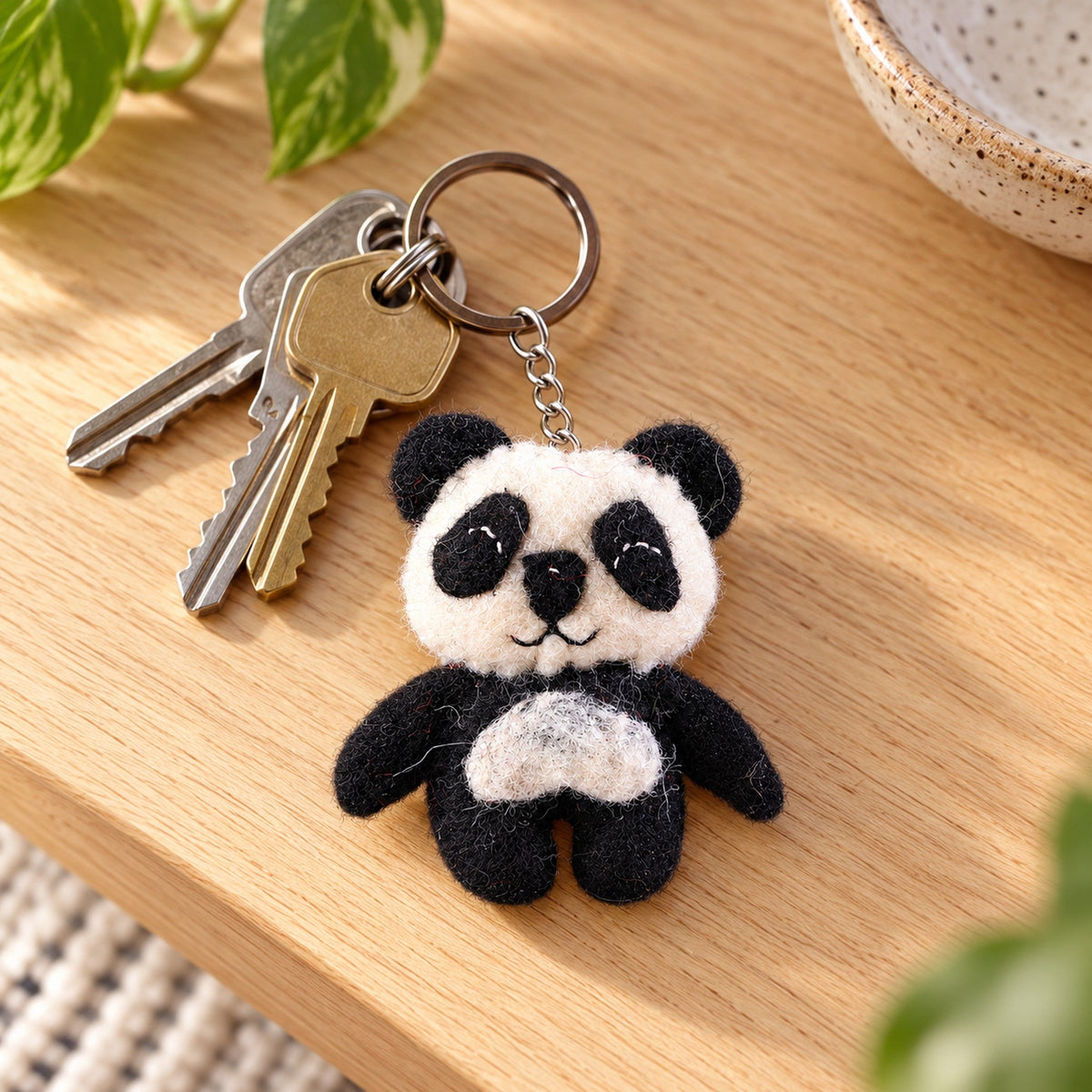
Bamboo the Panda is a black-and-white felt keychain with a little smile. Choose this friend for a panda enthusiast, perhaps with a note about a favourite shared outing or an ordinary moment you are looking forward to together.
For a quiet bear admirer
Bear in a Grey Jumper is a hanging ornament whose character enjoys a cup of tea and a good view. He could suit someone who appreciates quiet company rather than a big celebratory gesture.
For a garden-loving bunny fan
Aster the Bunny is a grey felt bunny ornament with rose pink ears. Her daisy-picking character offers a garden connection when an actual bouquet is not suitable.
For someone who enjoys birds
Bluebird is a hanging ornament with soft blue wings, a cream breast and an orange beak. A bird-loving friend might appreciate this familiar subject alongside a few words about what you have spotted outside lately.
 Bamboo the Panda
 Bear in a Grey Jumper
 Aster the Bunny
 Bluebird
Match the attachment to their everyday life
The right character matters, but so does choosing a format the recipient actually wants. Many friends come in more than one format, so check the individual product’s available options rather than assuming.
- A keychain has a key ring with a short chain. It makes sense for someone who already enjoys a character on their keys, though they may prefer to save it for later.
- A bag charm has a metal clip with a beaded or coloured cord. Choose it for someone who likes decorating a personal bag, not someone who prefers everything plain.
- A hanging ornament has a string loop. It suits a recipient who already has an appropriate place to display small decorations at home.
Most friends are about 8 to 12 cm, so check the chosen product’s details against the space available. Do not attach a gift to hospital equipment, bed rails or anything used for care. Let the recipient or their carer decide where it belongs.
If you are unsure which attachment would be useful, the keyring, bag charm or ornament guide can help you compare them.
Write a note that asks nothing back
A get-well note does not have to offer advice or predict when things will improve. Acknowledge the person, explain your choice and make it clear that no reply is expected.
Try a simple structure:
- A little connection: mention that you saw their favourite animal and thought of them.
- A kind wish: say you are thinking of them and hoping today has some comfortable moments.
- No obligation: tell them there is no need to reply or find a place for the gift straight away.
Keep future plans flexible. Saying you would enjoy a quiet catch-up whenever they feel ready leaves more room than suggesting they should be back to normal soon.
If you want to offer practical help too, keep it separate and specific: ask whether collecting a prescription or handling an errand would be useful. The little friend should not carry an expectation of gratitude, updates or a photograph.
Let the gift become part of an ordinary day
Keep the presentation simple, with the note easy to find. Avoid elaborate wrapping that creates extra work, and do not add food or scented extras without checking first.
If the recipient enjoys little traditions, the friend could become a quiet marker of everyday life: hanging near a favourite reading spot at home, joining their keys when they want it to, or appearing in an occasional photo you exchange. Offer the idea lightly rather than setting a task.
Follow up with interest in the person, not the present. Ask whether they would like company or a message another day; do not ask whether the charm is on display. The best small gesture leaves room for rest, changing preferences and no response at all.
Questions and answers
Is a felt charm a suitable hospital gift?
It depends on the recipient’s preferences and the ward’s rules. Check whether felt items and the chosen attachment are permitted, and save the gift for home if there is any uncertainty.
What if I don’t know their favourite animal?
Ask them or someone close to them rather than guessing. If choosing would create extra effort, a kind card on its own is a thoughtful option.
Should I send a gift if they haven’t replied to my message?
Silence is not confirmation that a gift is welcome. Avoid repeated questions; check with an appropriate person already supporting them, or wait until they feel ready to respond.